The Ultimate First-Timers Guide to Planning a Trip to Australia
Plan Your Perfect Trip
Welcome to a country of epic proportions and staggering beauty, a destination that promises adventure at every turn.
For the first-time visitor, planning a trip to Australia can feel as vast as the continent itself.
This guide is designed to demystify the process for you, transforming the overwhelming into the achievable!
We’ll navigate everything from visa requirements and budgeting to crafting the perfect itinerary, making sure your first Australian experience is everything you’ve dreamed of and more.

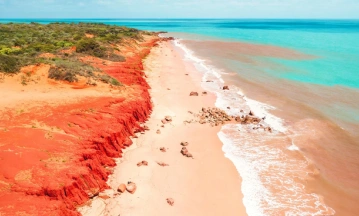
Diamond Head Beach, Crowdy Bay National Park. Photo Credit: Tourism Australia
Welcome to Australia: Your Dream Trip Starts Here
Why Australia is Your Next Bucket List Destination
Australia offers a rare combination of raw natural beauty, unique wildlife, and sophisticated urban culture.
It’s a place where you can snorkel the world’s largest coral reef system in the morning and dine in a world-class restaurant by night. From the sacred, ochre-red monolith of Uluru to the iconic silhouette of the Sydney Opera House, the country presents a dazzling array of experiences that cater to every type of traveller.
This isn’t just a regular international trip. It’s a journey into a landscape and lifestyle found nowhere else on Earth.

What to Expect from Your First Aussie Adventure: A Glimpse into the Australian Lifestyle
Expect a laid-back, friendly atmosphere. Australians, or “Aussies,” are known for their relaxed attitudes, love of the outdoors, and dry sense of humor.
Life often revolves around the coast, with beach culture deeply ingrained in the national identity. Cities are clean, safe, and multicultural, with vibrant arts and culinary scenes.
Be prepared for large distances, dramatic shifts in scenery, and a deep, abiding respect for nature that permeates every aspect of life in this incredible country.
Essential Pre-Trip Planning: Laying the Foundation for Your Adventure
Visa & Entry Requirements: Your Golden Ticket to Australia
For most international visitors, a visa is required to enter Australia.
The most common for tourists is the Electronic Travel Authority (ETA) or the eVisitor visa, depending on your passport’s country of origin. These can typically be applied for online and are often processed quickly.
Always check the official Australian Department of Home Affairs website for the most current requirements well in advance of your trip, as regulations can change.
Ensure your passport is valid for at least six months from your planned date of departure.

Sydney Harbour. Photo Credit: Tourism Australia
Best Time to Visit Australia: Timing Your Adventure Perfectly
Australia’s huge size means it doesn’t have a single best time to visit. It depends entirely on where you want to go.
- North (Great Barrier Reef, Darwin): The dry season (May to October) offers sunny days and lower humidity, perfect for exploring the northern regions of Australia. The ocean is also free of stingers this time of year, making it perfect for visiting the Great Barrier Reef. The wet season (November to April) brings dramatic thunderstorms and lush landscapes but can limit access and cancel plans.
- South (Sydney, Melbourne, The Great Ocean Road, Tasmania): Summer (December to February) is ideal for beaches in the south and coastal activities. Spring (September to November) and Autumn (March to May) offer pleasant weather with fewer crowds, and still enough sun to have fun on the beach.
- Red Centre (Uluru): Autumn (March to May) and Spring (September to November) provide warm days and cool nights, making it the most comfortable time for hiking and exploring the red outback, especially Uluru. Summer can be intensely hot and uncomfortable in this region, so you’ll want to stick to visiting during Autumn or Spring.
- Western Australia (Perth, Ningaloo, Exmouth): Spring (September to November) and Autumn (March to May) are generally the best time to visit Western Australia. During these periods, the weather is typically mild and pleasant, perfect for getting out and about. Spring’s the time when everything blooms, especially around the Pinnacles Desert and Kings Park, turning the countryside into a colorful wonderland. Come autumn, it’s all about the Margaret River wine region, sipping on amazing wines.
Be mindful of Australian school holidays, especially around Christmas and Easter, when prices and crowds increase significantly.
School holidays tend to be about the same time every year:
- Term 1 Holidays (Easter holidays/Autumn): Late March or early April (2 weeks)
- Term 2 Holidays (Winter): Late June or early July (2 weeks)
- Term 3 Holidays (Spring): Late September or early October (2 weeks)
- Term 4 Holidays (Summer): Mid-December to late January (5–6 weeks)
Budgeting for Your Australian Escape: Costs & Savings
Australia can be an expensive country, but a trip is very manageable with smart budgeting. Your main costs will be flights, accommodation, and tours.
- Flights: Book international flights at least 3-6 months in advance for better pricing. When you book your trip with About Australia, we find the best airfare deals and book your flights for you.
- Accommodation: Options range from budget-friendly hostels (USD $30-50/night) to mid-range hotels (USD $150-250/night) and luxury resorts. We take your budget and accommodation style to get the best hotels for you as part of your travel package.
- Food: Save money by utilizing supermarket kitchens if staying in self-catering accommodation. We generally include apartment-style hotels in our travel packages, with kitchenettes available to cook your meals in your room. A meal at a mid-range restaurant costs around USD $30-50.
- Activities: Major experiences like a Great Barrier Reef tour or a visit to Uluru can be costly. Prioritize your “must-do” activities and book them in advance. When you book an Australia travel package with us, we include your must-do tours as part of your trip.
One big advantage of booking your trip with us is our flexible payment plans. We can stretch your payments so you can book your travel package with a deposit, and complete your payments over time before your trip. Contact us for more information about setting up a payment plan for your vacation!
Packing Smart for Down Under: What to Bring for Diverse Experiences
Packing for Australia requires some versatility, especially considering what destinations you’ll visit. Check out a detailed look at what to pack for Australia with our guide.
- Clothing: Lightweight layers are essential. Include swimwear, comfortable walking shoes, a light jacket for evenings, and something smarter for city dining. If visiting the south in winter, pack a warmer coat.
- Sun Protection: This is non-negotiable. Bring a high-SPF sunscreen, a wide-brimmed hat, and sunglasses. The Australian sun is famously harsh.
- Health: A basic first-aid kit and any personal medications are a must. Insect repellent is highly recommended, especially in tropical areas.
- Electronics: Australia uses Type I power outlets. Don’t forget a universal adapter and a portable power bank.

Uluru. Photo Credit: Tourism Australia
Designing Your Australian Itinerary: Where to Go & For How Long
Deciding on Trip Length: From 10 Days to a Month
The sheer scale of the country means you cannot see it all in one trip. Be realistic with your time, considering the time it takes to travel to and around Australia.
- 10-14 Days: Focus on one coast. A classic choice is combining Sydney, Melbourne, and a drive along the Great Ocean Road, or focusing on Queensland with Cairns (for the Great Barrier Reef) and Sydney, like our Reef, Rainforest, Wildlife & Sydney trip.
- 3 Weeks: This allows you to combine two distinct regions. You could explore the East Coast and add a trip to the Red Centre to experience Uluru. Our favorite itineraries in this range are the Grand Australia Ghan trip and Coastal Road Trip, Wildlife & Icons package.
- A Month or More: With four weeks, you can experience the highlights of the East Coast, the Red Centre, and potentially add another region like Tasmania or the west coast. We’ve customized trips for our clients ranging from a month to three months and even longer! Contact us to make the planning easy for you.
Crafting Your Perfect Route: Balancing Interests, Time, and Logistics
Your perfect trip depends on your passions. Are you a city explorer, a nature lover, or a road trip enthusiast?
- For the Urbanite: Focus your time in Sydney and Melbourne, exploring their laneway culture, world-class dining, and iconic landmarks. Plus, stunning nature is just a short distance away from these major cities.
- For the Nature Enthusiast: Prioritize the Great Barrier Reef, Uluru-Kata Tjuta National Park, and the Daintree Rainforest. For something different, you can explore Kakadu National Park or Ningaloo Reef.
- For the Driver: A road trip is an iconic Australian experience. The Great Ocean Road is the most famous, but consider other scenic drives along the coast of Queensland or New South Wales. Always factor in realistic driving times between destinations.

Seaforth, Mackay Island. Photo Credit: Tourism Australia
Iconic Australian Destinations & Unforgettable Experiences (Deep Dive)
Sydney: The Harbour City’s Must-See Sights
Sydney is the dazzling gateway to Australia. No first visit to Australia is complete without seeing the Sydney Opera House and Harbour Bridge. Take a ferry from Circular Quay to Manly for stunning harbor views and beautiful beaches. Explore the historic Rocks district, wander through the Royal Botanic Garden, and soak up the sun on the world-famous Bondi Beach. The coastal walk from Bondi to Coogee is a spectacular way to experience the city’s stunning coastline.
Melbourne: Culture, Cuisine, and Cosmopolitan Charm
Melbourne is Australia’s capital of cool. Its heart lies in the labyrinth of laneways filled with street art, hidden bars, and unique boutiques. The city is a foodie paradise, boasting an incredible café culture and an array of diverse restaurants. Catch a game of Australian Rules Football, explore the vibrant Queen Victoria Market, or take a tram to the seaside suburb of St Kilda. Melbourne is also the perfect starting point for a trip along The Great Ocean Road.

Melbourne. Photo Credit: Tourism Australia
The Great Barrier Reef: A Marine Wonderland
The Great Barrier Reef is a UNESCO World Heritage site and one of the seven natural wonders of the world. This breathtaking coral reef system stretches for over 1,429 miles. Base yourself in Cairns or Port Douglas and take a catamaran tour to snorkel or dive amongst vibrant coral gardens teeming with marine life, including turtles, colorful fish, and gentle reef sharks. Visiting the Great Barrier Reef Marine Park is an unforgettable experience and a powerful reminder of nature’s fragility.
The Red Centre: Uluru, Kata Tjuta & Ancient Aboriginal Culture
The spiritual heart of Australia, the Red Centre is a landscape of profound beauty and ancient significance. Visiting Uluru-Kata Tjuta National Park offers a deep connection to the world’s oldest living culture. Witnessing the massive sandstone monolith of Uluru change color at sunrise and sunset is a truly magical experience. Walk around its base to appreciate its scale and discover ancient rock art. The nearby domed rock formations of Kata Tjuta (The Olgas) are equally mesmerizing.
The Great Ocean Road: One of the World’s Most Scenic Road Trips
The Great Ocean Road is an iconic Australian journey. This 150-mile stretch of coast winds along Victoria’s dramatic shoreline. Starting from near Melbourne, the trip reveals stunning vistas at every turn, from sheer limestone cliffs to lush rainforests. The highlight is the Twelve Apostles, majestic rock stacks rising from the Southern Ocean. This is a road trip that defines the word “epic.”
Wildlife Encounters: Koalas, Kangaroos, and Unique Aussie Animals
Australia is famed for its unique fauna. While seeing animals in the wild requires luck, there are many places to increase your chances. Look for wild koalas in the trees along the Great Ocean Road, especially around Kennett River. Kangaroos can often be spotted grazing at dawn and dusk in open grasslands near national parks. For guaranteed sightings, visit reputable wildlife sanctuaries like Healesville Sanctuary near Melbourne or Lone Pine Koala Sanctuary in Brisbane. Our wildlife trip packages include tours and experiences highlighting Australia’s native animals.

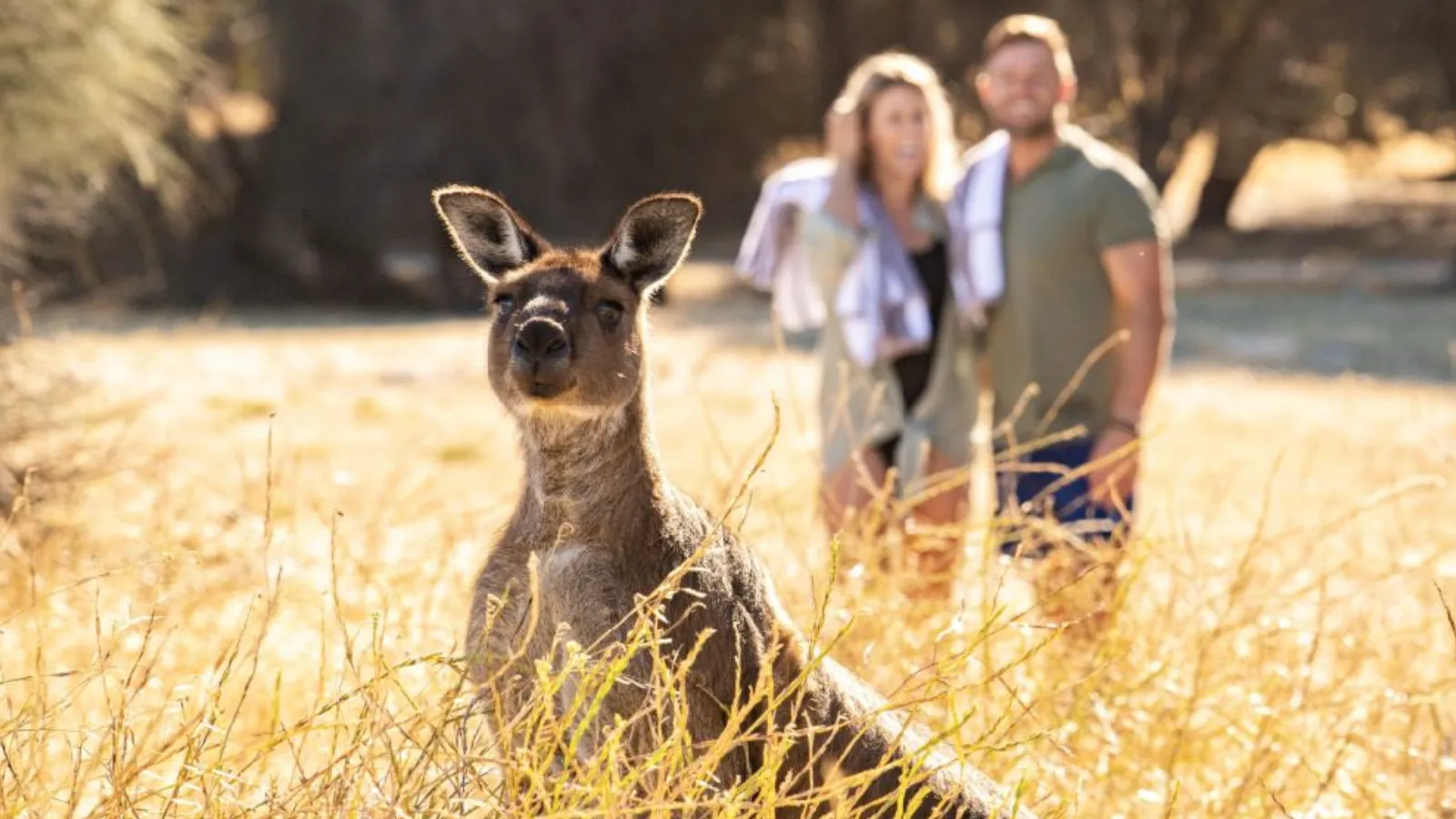
Hanson Bay Wildlife Sanctuary, Kangaroo Island. Photo Credit: Tourism Australia
Other Australian Gems: Daintree Rainforest & Kakadu National Park
Beyond the main attractions, Australia holds countless other treasures. In Queensland, the Daintree Rainforest is the world’s oldest tropical rainforest, a place where lush jungle meets the Coral Sea. In the Northern Territory, Kakadu National Park is a vast wilderness of wetlands, escarpments, and ancient Aboriginal rock art sites, offering a profound cultural and natural experience.
Getting Around Australia: Transport & Logistics
Flying Domestically: Covering Vast Distances
Given the country’s size, flying is the most efficient way to travel between major cities. Australia is well-serviced by domestic airlines, including the full-service carrier Qantas and budget airlines like Jetstar and Virgin Australia. Booking flights in advance is the best way to secure reasonable fares for your trip.
Road Tripping Australia: Driving on the Left and Distances
Driving is an excellent way to experience the landscape, but be prepared for long distances between towns. Australians drive on the left-hand side of the roads. Main highways are generally well-maintained, but if you plan to venture into the outback, a 4WD vehicle and careful planning are essential. Never underestimate driving times, and always carry plenty of water.
Public Transport in Cities: Navigating Urban Centers
Major cities like Sydney, Melbourne, and Brisbane have efficient public transport systems, including trains, buses, ferries, and trams. Purchasing a reloadable smart card (like an Opal card in Sydney or a Myki in Melbourne) is the easiest and most cost-effective way to get around. Uber is also a popular rideshare option in the cities.
Car Rentals & Campervans: Freedom to Explore
Renting a car or campervan offers ultimate freedom and flexibility, especially for exploring regional areas like the coast or wine regions. We can include rental cars or campervans as part of your travel package if you wish to take to the road on your trip.

Great Ocean Road. Photo Credit: Visit Victoria
Embracing Australian Culture & Responsible Tourism
Understanding Aboriginal Culture: Respect, Learning, and Engagement
Aboriginal and Torres Strait Islander peoples have a culture stretching back over 65,000 years. Approaching it with respect and a willingness to learn is crucial. Seek out Indigenous-owned tour experiences, visit cultural centers, and always be mindful that you are on lands with deep spiritual significance. Acknowledging the Traditional Owners of the land is a common practice and a sign of respect.
Aussie Lingo & Lifestyle: Blending In
Don’t be surprised by the unique Australian slang. A “G’day” is a friendly greeting, “arvo” means afternoon, and “brekkie” is breakfast. The lifestyle is generally relaxed and informal. Embrace the “no worries” attitude. A classic Aussie BBQ (barbecue) is a cornerstone of social life, representing the easy-going, outdoor-focused culture.
Food & Drink: A Taste of Australia
Modern Australian cuisine is a melting pot of global influences with an emphasis on fresh, local produce. You’ll find excellent coffee, world-class wines from regions like the Barossa Valley, and vibrant food scenes in every city. Be sure to try some local favorites like fresh seafood, meat pies, and, for the brave, a smear of Vegemite on toast.
Responsible Travel: Preserving Australia’s Natural Beauty
Australia is home to numerous UNESCO World Heritage Sites and pristine national parks. As a visitor, you have a role in protecting them. Follow all guidelines in protected areas like the Great Barrier Reef Marine Park, dispose of waste properly, conserve water, and choose eco-certified tour operators – ask us about our favorites! Leave these incredible places as beautiful as you found them for future generations.

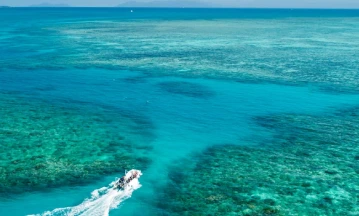
Great Barrier Reef. Photo Credit: Tourism Australia
Start Your Journey to Australila
Planning your first trip to Australia is the beginning of an extraordinary adventure. By focusing your itinerary, embracing the vast distances, and diving into the local culture, you can craft a journey that is both manageable and deeply rewarding.
From the sun-bleached sand of its endless beaches to the ancient silence of the outback, Australia brims with experiences waiting to be discovered.
The key is to plan smart, pack for adventure, and arrive with an open heart.
Start planning today, and prepare for the trip of a lifetime!
Your Dream Journey Awaits
You tell us what you want out of your trip, and we design a package with hotels, flights, and tours included. Get in touch to have a personal Travel Advisor work with you to create your perfect Australia vacation!
You may also like: